Search News
Industry Portal
Popular Tags
Intelligent Rehabilitation Equipment: Which Features Improve Outcomes?
Author
Time
Click Count
Intelligent Rehabilitation Equipment: Which Features Improve Outcomes?
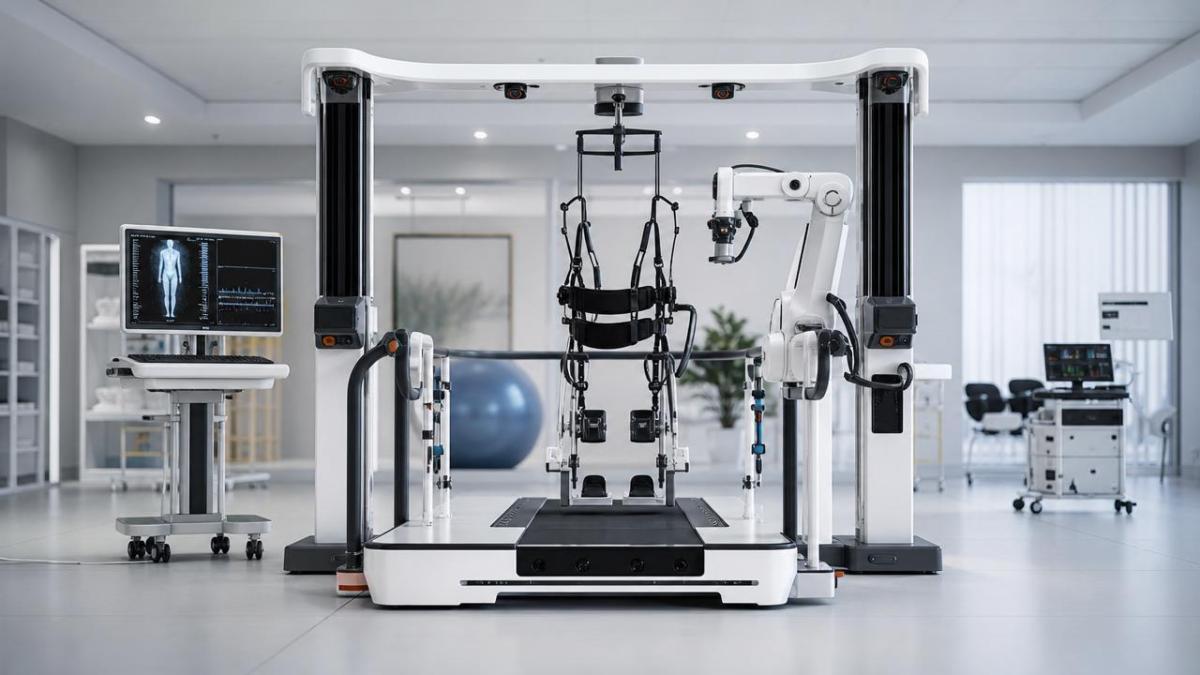
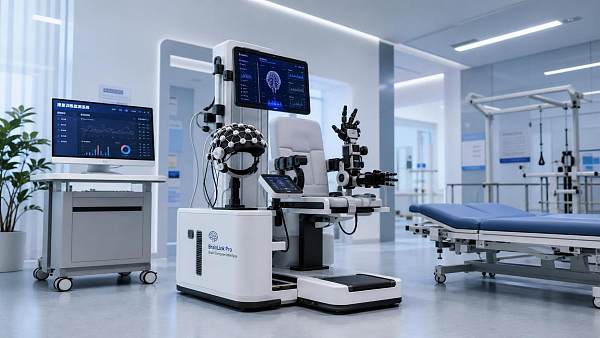
As recovery programs become more data-driven, intelligent rehabilitation equipment now shapes how therapy is delivered, measured, and improved.
That shift is not only about automation. It is about getting more reliable progress from every session.
In practice, operators need to know which functions actually support recovery, and which ones only look impressive on a product sheet.
The best intelligent rehabilitation equipment improves consistency, reduces guesswork, and helps teams respond faster to patient needs.
That also means feature selection should connect directly to outcomes, workflow efficiency, and safety control.
Why Intelligent Rehabilitation Equipment Matters More Today
Rehabilitation is no longer judged only by session volume. It is increasingly judged by measurable functional improvement.
That is where intelligent rehabilitation equipment changes the conversation. It turns exercise into trackable clinical data.
For daily operations, this supports clearer baselines, more stable training intensity, and better documentation for multidisciplinary teams.
From recent market changes, the stronger signal is simple: buyers now expect rehabilitation systems to prove value, not just provide motion.
So when comparing intelligent rehabilitation equipment, the real question becomes which features influence outcomes in a repeatable way.
Core Features That Make a Measurable Difference
Not every advanced feature carries equal clinical value. Some functions consistently matter more across neurological, orthopedic, and mobility recovery programs.
1. Real-Time Motion Tracking
Real-time tracking is one of the most useful capabilities in intelligent rehabilitation equipment.
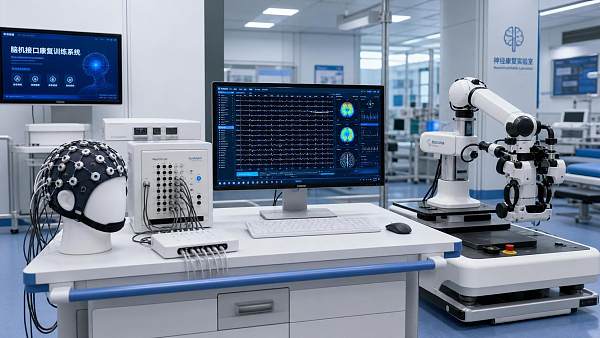
It captures range of motion, speed, symmetry, joint trajectory, and movement quality during each task.
This helps operators spot compensation patterns early, before poor mechanics become routine.
It also supports more objective progression decisions, especially when patient performance varies by day.
2. Adaptive Resistance or Assistance
Good intelligent rehabilitation equipment does not force every user into the same training level.
Instead, it adjusts support or resistance based on real-time performance, fatigue signs, and task completion ability.
That matters because under-challenging slows recovery, while overloading increases frustration and risk.
Adaptive control helps maintain the therapeutic zone where effort is challenging but still achievable.
3. Immediate Multimodal Feedback
Feedback works best when it is clear, timely, and easy to act on.
Many intelligent rehabilitation equipment platforms now combine visual, audio, and haptic cues.
This improves motor learning by showing users whether they are moving correctly in the moment.
It is especially useful when one operator manages several stations or multiple users in sequence.
4. Session Data Recording and Trend Analysis
If data cannot be reviewed later, much of its value is lost.
Strong intelligent rehabilitation equipment records session history, compares trends, and highlights meaningful changes over time.
This supports progress reviews, care planning, discharge decisions, and discussions with clinical teams or family members.
More importantly, it reduces reliance on subjective memory.
5. Safety Monitoring and Emergency Controls
Safety is not a side feature. It is part of outcome quality.
Intelligent rehabilitation equipment should include overload detection, abnormal motion alerts, fall risk safeguards, and easy-stop mechanisms.
These features protect both the user and the operator, especially during gait training or robotic-assisted movement sessions.
Which Features Improve Outcomes in Real Rehabilitation Settings?
Features only matter when they solve real workflow and recovery problems. That is why context is important.
For Neurological Recovery
In stroke and neurorehabilitation, repetition quality matters as much as repetition count.
Here, intelligent rehabilitation equipment with adaptive assistance and high-accuracy motion sensing often delivers better functional training support.
Patients may struggle with fatigue, asymmetry, or delayed motor control. Smart systems can respond faster than manual adjustment alone.
For Orthopedic Rehabilitation
After joint surgery or injury, progressive loading and movement accuracy become the main focus.
In these cases, intelligent rehabilitation equipment should track mobility milestones, pain-limited movement, and tolerance to resistance changes.
Operators benefit most from systems that show precise improvement patterns instead of broad summary scores.
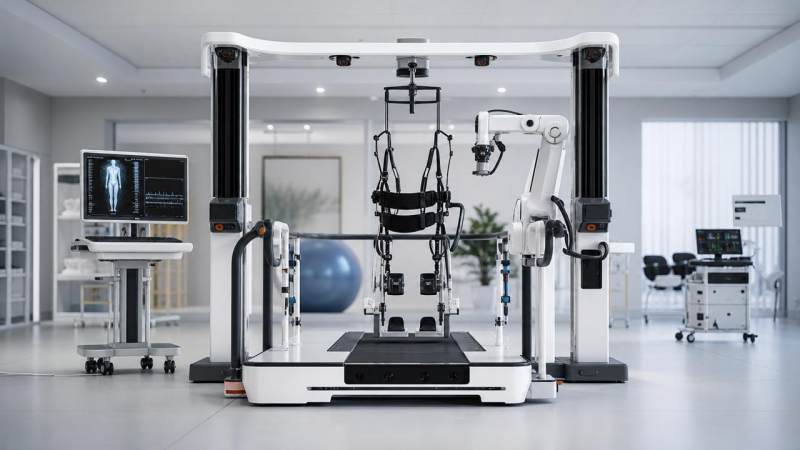
For Gait and Balance Training
Gait recovery needs continuous adjustment, especially for users with unstable posture or limited endurance.
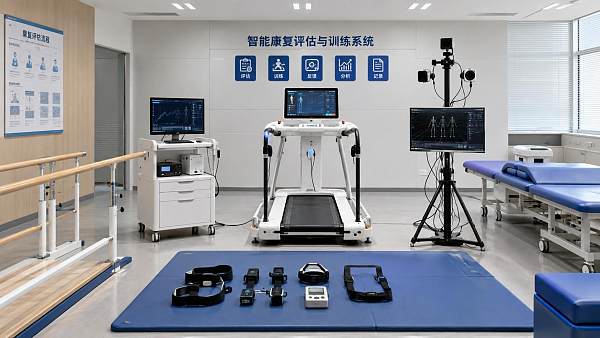
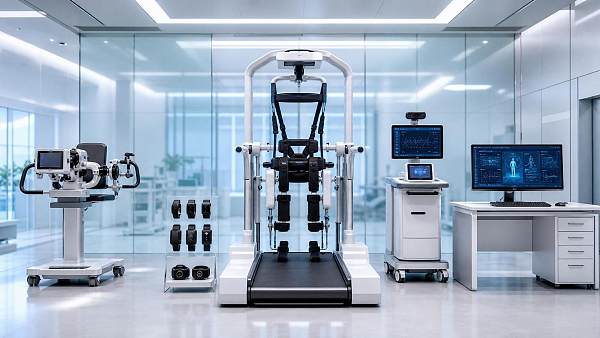
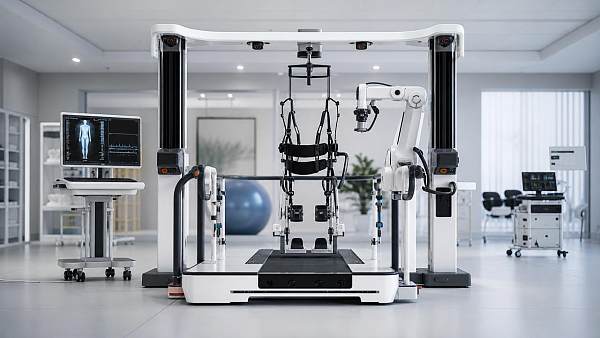
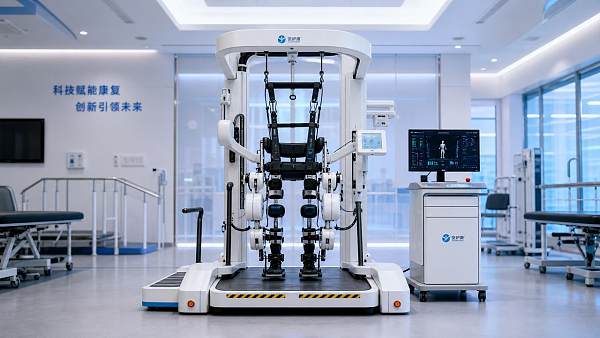
This is where intelligent rehabilitation equipment with body-weight support, step analysis, and balance feedback becomes valuable.
The best systems reduce setup complexity while still giving operators detailed gait data.
How to Evaluate Intelligent Rehabilitation Equipment Before Use
A feature list alone does not tell the full story. Usability, data quality, and integration also shape outcomes.
- Check whether sensor accuracy remains stable during repeated sessions.
- Review how quickly the system can be calibrated for different body sizes and conditions.
- Confirm whether performance reports are easy to read and clinically meaningful.
- Assess whether the interface supports fast operation during busy schedules.
- Look at safety logic, alarm design, and stop-response reliability.
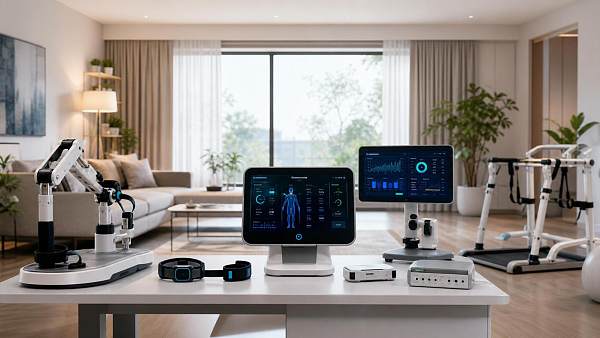
- Ask whether remote monitoring or follow-up modules are available when needed.
In real settings, operators often prefer intelligent rehabilitation equipment that saves time between sessions without reducing control.
That preference usually reflects better design, not lower expectations.
Common Mistakes When Choosing Smart Rehabilitation Systems
A common mistake is focusing too heavily on robotics while ignoring workflow details.
If setup is slow, reports are weak, or feedback is confusing, outcomes may suffer despite advanced hardware.
Another mistake is choosing intelligent rehabilitation equipment without matching it to the target recovery stage.
Early-stage support needs are different from later-stage strength, balance, or independence training needs.
There is also a data trap. More data is not always better if the system does not highlight actionable insights.
Features Worth Prioritizing First
When priorities are unclear, it helps to rank features by impact on safety, consistency, and measurable progress.
- High-priority: motion accuracy, adaptive support, safety controls, and clear progress tracking.
- Mid-priority: remote access, gamified engagement tools, and multi-user management functions.
- Case-dependent: AI recommendations, cloud benchmarking, and advanced analytics dashboards.
This order keeps attention on what usually drives better rehabilitation outcomes first.
Once those basics are strong, additional smart features become more valuable instead of distracting.
Final Takeaway
The most effective intelligent rehabilitation equipment does not simply automate therapy. It improves decision-making during therapy.
Real-time tracking, adaptive assistance, feedback, safety systems, and useful data reporting consistently matter most.
When these features work together, intelligent rehabilitation equipment supports better outcomes, smoother workflows, and more confident daily operation.
The practical next step is to evaluate each system by task fit, data usefulness, and safety response in actual rehabilitation scenarios.
That approach makes it easier to choose intelligent rehabilitation equipment that delivers real clinical value instead of just technical complexity.
Recommended News
 Sep 08, 2026When does EEG BCI rehabilitation improve motor recovery training?EEG BCI rehabilitation can enhance motor recovery when patient intent triggers meaningful feedback. Explore eligibility, workflow, outcomes, safety, and scalable clinical implementation.
 Sep 04, 2026How to evaluate smart healing recovery systems for rehab programsSmart healing recovery systems: learn how to evaluate clinical value, safety, integration, data reliability, and scalability for more effective rehab programs.
 Aug 31, 2026What clinical factors determine whether BCI rehabilitation systems fit a stroke program?BCI rehabilitation systems: explore the clinical factors that shape stroke program fit, from patient selection and signal reliability to safety, workflow, and functional goals.
 Jul 14, 2026Brain-Computer Interface Training: Key Factors That Shape Rehab ResultsBrain-computer interface training works best when signal quality, patient engagement, protocol design, feedback, and data tracking align. Discover the key factors that improve rehab results.
 Jul 11, 2026Brain-Computer Interface Technology in Rehab: What Works TodayBrain-computer interface technology in rehab: discover what works today for stroke recovery, neurofeedback, robotics, and measurable patient progress in real clinical settings.
 Jul 05, 2026EEG Brain Computer Interface: Key Signals That Define Rehab PerformanceEEG brain computer interface insights for rehab: discover which signals best predict motor intent, engagement, and recovery progress to compare systems with more confidence.
 Jun 30, 2026Neurorehabilitation Cost Breakdown: Therapy, Devices, and Long-Term ValueNeurorehabilitation cost explained: compare therapy, devices, software, and long-term value to avoid hidden expenses and make smarter rehab investment decisions.
 Jun 28, 2026Digital Neurorehabilitation: What Improves Outcomes at Home?Digital neurorehabilitation improves home recovery when guided exercises, smart monitoring, and clinician review work together. Learn what truly boosts outcomes and supports safer, more effective therapy at home.
 Jun 26, 2026Brain Computer Interface System: What to Evaluate FirstBrain computer interface system selection starts with signal quality, use-case fit, integration, compliance, and scalability—learn what to evaluate first for smarter healthcare decisions.
 Jun 24, 2026EEG BCI Rehabilitation: Best Use Cases for Motor RecoveryEEG BCI rehabilitation unlocks smarter motor recovery with top use cases in stroke care, early neurorehabilitation, robotic therapy, and hybrid home programs.
 Jun 19, 2026Fourier Enters Malaysia Rehab ProjectFourier Enters Malaysia Rehab Project as a national-level smart rehabilitation solution for PERKESO, signaling a new path for Chinese BCI rehab systems in sovereign procurement.
 Jun 18, 2026CMEF Spotlight Shifts to Certified AI Rehab SupplyCMEF Spotlight Shifts to Certified AI Rehab Supply: discover how FDA 510(k), CE MDR, and remote monitoring compliance are reshaping global sourcing, buyer screening, and export opportunities.
 Jun 13, 2026Brain-Computer Interface Wheelchair Control: Key Safety LimitsBrain-computer interface wheelchair control explained through key safety limits, signal reliability, fail-safe design, and validation priorities for safer clinical deployment.
 Jun 12, 2026Intelligent Rehabilitation Equipment: Which Features Improve Outcomes?Intelligent rehabilitation equipment improves outcomes with real-time tracking, adaptive support, safety controls, and actionable data. Discover which features deliver measurable recovery results.
 Jun 11, 2026NeuroXess Cuts BCI Rehab Lead Time to 8 WeeksNeuroXess cuts BCI Rehab lead time to 8 weeks as its Zhengzhou line enters mass production, backed by ISO 13485:2025 and IEC 62304 Class C—see why this matters for MDR transition orders.
 Jun 11, 2026Rehabilitation Robotics Cost Breakdown: What Drives Budget Up or Down?Rehabilitation robotics cost explained: discover the key drivers behind pricing, hidden ownership expenses, and smart ways to compare systems before approving your budget.
 May 28, 2026What makes brain-computer interfaces harder to scale across clinicsBrain-computer interfaces are harder to scale across clinics due to workflow, training, IT, reimbursement, and regulatory barriers. Discover what drives sustainable adoption.
 May 28, 2026Why brain-computer interfaces in rehab still face slow adoptionBrain-computer interfaces in rehab promise real gains, but slow adoption stems from workflow, validation, ROI, and compliance hurdles. Explore what buyers must verify before scaling.