Search News
Industry Portal
Popular Tags
Brain Computer Interface System: What to Evaluate First
Author
Time
Click Count
Selecting a brain computer interface system is no longer a purely experimental decision. In rehabilitation, assistive communication, digital therapy, and clinical research, the first evaluation step is often what determines whether a project stays practical or becomes difficult to scale. A well-chosen brain computer interface system has to fit the use case, generate dependable signals, connect with existing workflows, and meet the compliance expectations that come with healthcare technology.
What a brain computer interface system really adds to care
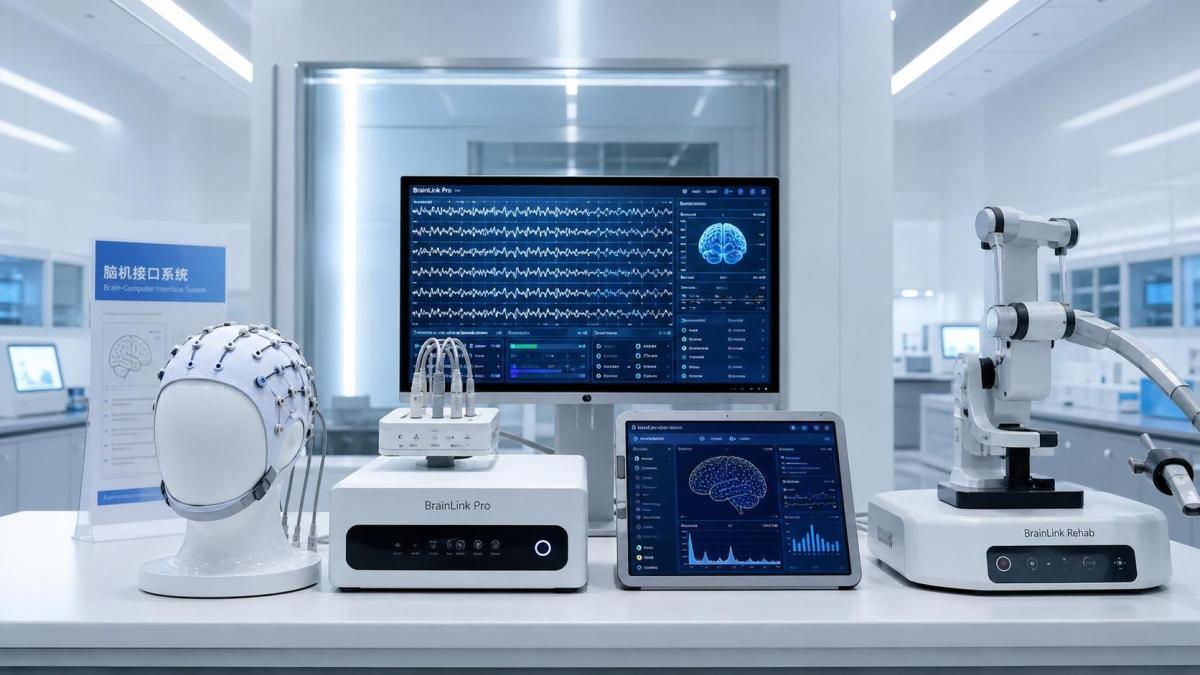
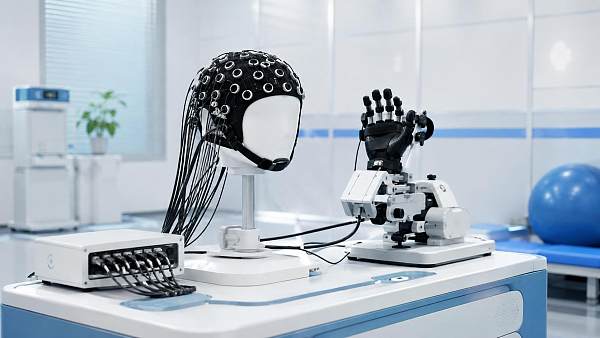
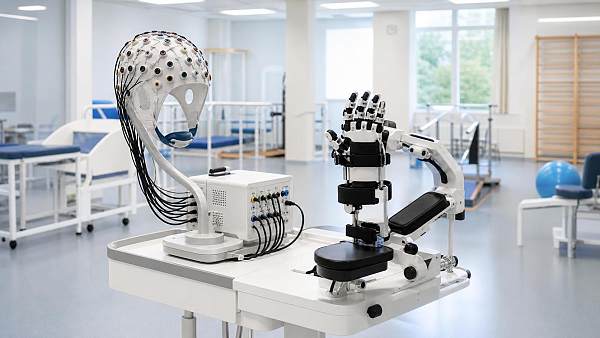
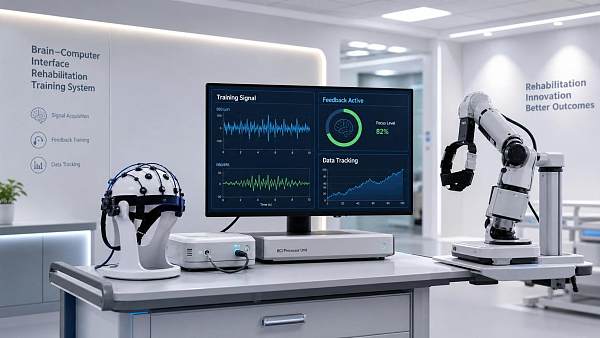
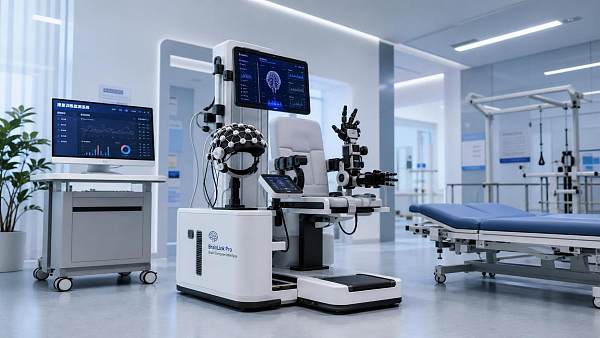
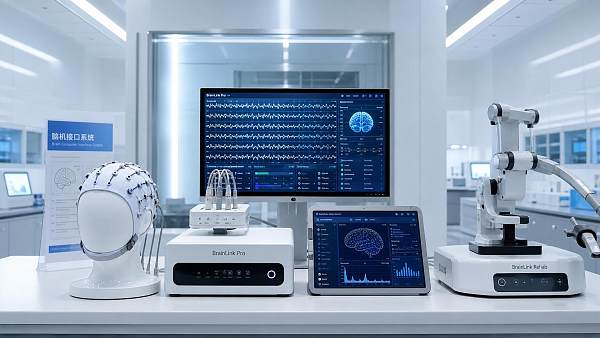
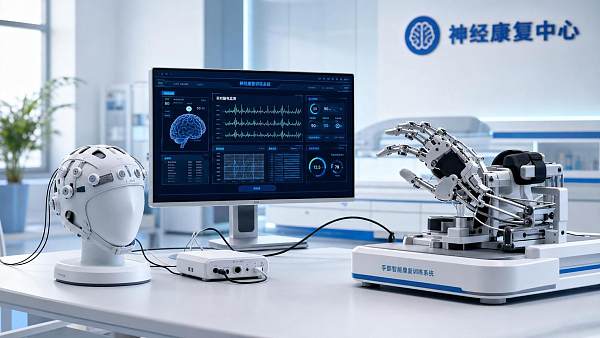
A brain computer interface system translates neural activity into usable digital commands. In simple terms, it creates a bridge between the brain and a device, software environment, or rehabilitation platform. That bridge may support cursor control, communication support, motor training, cognitive assessment, or research-grade monitoring.
Its relevance comes from the gap it tries to close. Many patients and clinical programs need interaction methods that do not rely fully on speech, muscle movement, or conventional input devices. At the same time, hospitals and therapy centers are asking for technologies that can fit into broader digital care models. That is why the brain computer interface system is moving from a niche concept to a serious planning topic.
For organizations tracking digital medical innovation through DMRS, the topic also connects with smart rehabilitation systems, connected healthcare workflows, and the broader push toward data-driven treatment pathways. The system itself is only one part of the picture. Its value depends on how well it integrates with therapy design, clinical oversight, and operational constraints.
Signal quality comes before feature lists
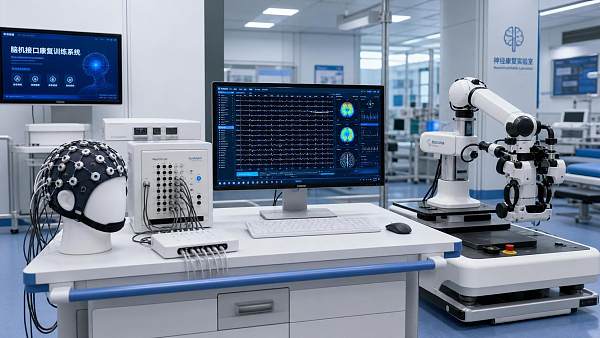
The first question is not how many functions the platform advertises. It is whether the signal is stable enough for the intended environment. A brain computer interface system can look impressive on paper while still struggling with noise, variable electrode placement, or inconsistent user performance.
Signal quality should be checked against realistic conditions, not ideal demos. That includes movement, fatigue, skin conditions, session length, and environmental interference. If the system depends on intensive calibration every time, the operational burden can become too high for daily use.
This is also where modality matters. Non-invasive EEG-based systems, for example, are easier to deploy but often face limits in resolution and robustness. More advanced approaches may improve precision, yet they can bring higher complexity, different risk profiles, and stricter clinical review needs. The right answer depends on the actual application, not the technology category alone.
Use case clarity reduces project risk
A brain computer interface system should be evaluated through the exact task it is expected to support. Rehabilitation use, assistive communication, motor intention detection, and laboratory research all place different demands on latency, accuracy, comfort, and training time.
If the target is clinical rehabilitation, the system needs repeatable performance across sessions and a workflow that therapists can realistically manage. If the target is communication support, speed and reliability become more important than experimental flexibility. If the target is data collection for research, then metadata, export options, and protocol consistency start to matter more.
The mistake many projects make is treating the brain computer interface system as a general platform before defining the operational scenario. Once the use case is clear, the evaluation criteria become much more practical, and vendor comparisons stop being abstract.
Integration and compliance decide how far it can go
Even a strong brain computer interface system can stall if it is hard to integrate. Data often needs to move into rehabilitation platforms, hospital IT systems, or analytics layers. If the interface is limited, the project team ends up building extra workarounds, which adds cost and fragility.
Integration questions should cover software compatibility, device connectivity, calibration workflow, data export, storage architecture, and support for remote review. In connected healthcare environments, these points are not optional details. They shape the total operational cost of the system.
Compliance is equally important. Depending on the use case, a brain computer interface system may face medical device review, software validation, cybersecurity expectations, data protection obligations, and local regulatory scrutiny. In practice, the compliance pathway should be understood early, because it affects timelines, documentation, and procurement confidence.
Scalability is the part many teams underestimate
A pilot can succeed while a full rollout fails. That usually happens when the brain computer interface system is too dependent on specialist setup, intensive training, or narrow hardware conditions. Scalability is not only about adding more units. It is about whether the system can be adopted by more sites, more users, and more workflows without constant reengineering.
This is where long-term support matters. Update policy, consumable availability, technical service, and protocol consistency all affect whether a platform remains viable after the first deployment phase. If a system cannot be maintained with predictable effort, its clinical promise weakens quickly.
For broader healthcare ecosystems, the brain computer interface system should also be compared with adjacent digital rehabilitation tools, remote monitoring layers, and data-driven therapy platforms. The question is not only whether it works today, but whether it can stay useful as programs expand.
A practical way to compare options
Before moving into procurement or validation, it helps to compare each brain computer interface system using the same decision lens. That avoids overvaluing polished demos and underweighting operational realities.
- Check whether the signal performance matches the intended environment.
- Confirm that the use case is specific, measurable, and clinically meaningful.
- Estimate how much integration work will be needed for daily use.
- Review the regulatory and data security path before committing.
- Test whether the system can scale beyond a single pilot setting.
That framework is useful because it keeps the conversation grounded. A brain computer interface system is most valuable when technology, workflow, and compliance move together. If one part is weak, the whole project absorbs the delay.
Where the next decision should lead
The best next step is usually not a broad market scan. It is a focused requirement map built around the intended care setting. That map should define users, session length, acceptable latency, data handling needs, integration scope, and expected regulatory route.
Once those points are clear, comparisons become much sharper. The right brain computer interface system is the one that can support the use case reliably, connect with the surrounding digital environment, and remain manageable after deployment.
For teams working in rehabilitation, connected care, or clinical innovation, that is the most practical way to move from interest to action. Start with signal quality, then test fit, integration, compliance, and scalability in that order. It is the simplest way to reduce risk and make a brain computer interface system decision that holds up in practice.
Recommended News
 Sep 08, 2026When does EEG BCI rehabilitation improve motor recovery training?EEG BCI rehabilitation can enhance motor recovery when patient intent triggers meaningful feedback. Explore eligibility, workflow, outcomes, safety, and scalable clinical implementation.
 Sep 04, 2026How to evaluate smart healing recovery systems for rehab programsSmart healing recovery systems: learn how to evaluate clinical value, safety, integration, data reliability, and scalability for more effective rehab programs.
 Aug 31, 2026What clinical factors determine whether BCI rehabilitation systems fit a stroke program?BCI rehabilitation systems: explore the clinical factors that shape stroke program fit, from patient selection and signal reliability to safety, workflow, and functional goals.
 Jul 14, 2026Brain-Computer Interface Training: Key Factors That Shape Rehab ResultsBrain-computer interface training works best when signal quality, patient engagement, protocol design, feedback, and data tracking align. Discover the key factors that improve rehab results.
 Jul 11, 2026Brain-Computer Interface Technology in Rehab: What Works TodayBrain-computer interface technology in rehab: discover what works today for stroke recovery, neurofeedback, robotics, and measurable patient progress in real clinical settings.
 Jul 05, 2026EEG Brain Computer Interface: Key Signals That Define Rehab PerformanceEEG brain computer interface insights for rehab: discover which signals best predict motor intent, engagement, and recovery progress to compare systems with more confidence.
 Jun 30, 2026Neurorehabilitation Cost Breakdown: Therapy, Devices, and Long-Term ValueNeurorehabilitation cost explained: compare therapy, devices, software, and long-term value to avoid hidden expenses and make smarter rehab investment decisions.
 Jun 28, 2026Digital Neurorehabilitation: What Improves Outcomes at Home?Digital neurorehabilitation improves home recovery when guided exercises, smart monitoring, and clinician review work together. Learn what truly boosts outcomes and supports safer, more effective therapy at home.
 Jun 26, 2026Brain Computer Interface System: What to Evaluate FirstBrain computer interface system selection starts with signal quality, use-case fit, integration, compliance, and scalability—learn what to evaluate first for smarter healthcare decisions.
 Jun 24, 2026EEG BCI Rehabilitation: Best Use Cases for Motor RecoveryEEG BCI rehabilitation unlocks smarter motor recovery with top use cases in stroke care, early neurorehabilitation, robotic therapy, and hybrid home programs.
 Jun 19, 2026Fourier Enters Malaysia Rehab ProjectFourier Enters Malaysia Rehab Project as a national-level smart rehabilitation solution for PERKESO, signaling a new path for Chinese BCI rehab systems in sovereign procurement.
 Jun 18, 2026CMEF Spotlight Shifts to Certified AI Rehab SupplyCMEF Spotlight Shifts to Certified AI Rehab Supply: discover how FDA 510(k), CE MDR, and remote monitoring compliance are reshaping global sourcing, buyer screening, and export opportunities.
 Jun 13, 2026Brain-Computer Interface Wheelchair Control: Key Safety LimitsBrain-computer interface wheelchair control explained through key safety limits, signal reliability, fail-safe design, and validation priorities for safer clinical deployment.
 Jun 12, 2026Intelligent Rehabilitation Equipment: Which Features Improve Outcomes?Intelligent rehabilitation equipment improves outcomes with real-time tracking, adaptive support, safety controls, and actionable data. Discover which features deliver measurable recovery results.
 Jun 11, 2026NeuroXess Cuts BCI Rehab Lead Time to 8 WeeksNeuroXess cuts BCI Rehab lead time to 8 weeks as its Zhengzhou line enters mass production, backed by ISO 13485:2025 and IEC 62304 Class C—see why this matters for MDR transition orders.
 Jun 11, 2026Rehabilitation Robotics Cost Breakdown: What Drives Budget Up or Down?Rehabilitation robotics cost explained: discover the key drivers behind pricing, hidden ownership expenses, and smart ways to compare systems before approving your budget.
 May 28, 2026What makes brain-computer interfaces harder to scale across clinicsBrain-computer interfaces are harder to scale across clinics due to workflow, training, IT, reimbursement, and regulatory barriers. Discover what drives sustainable adoption.
 May 28, 2026Why brain-computer interfaces in rehab still face slow adoptionBrain-computer interfaces in rehab promise real gains, but slow adoption stems from workflow, validation, ROI, and compliance hurdles. Explore what buyers must verify before scaling.