Search News
Industry Portal
Popular Tags
CMEF Spotlight Shifts to Certified AI Rehab Supply
Author
Time
Click Count
At the 93rd China International Medical Equipment Fair held from April 9 to 12, 2026, overseas buying interest around AI-driven rehabilitation and remote monitoring systems stood out alongside a clearer compliance signal for future sourcing. The combination of frequent importer inquiries at selected product zones and confirmation that the 2027 fair will add a Global Sourcing Hub for suppliers holding FDA 510(k), CE MDR, or MDR-related certification indicates that certification status is moving closer to the center of cross-border procurement, distributor matching, and export-facing supplier selection.
What was confirmed at the Shanghai fair
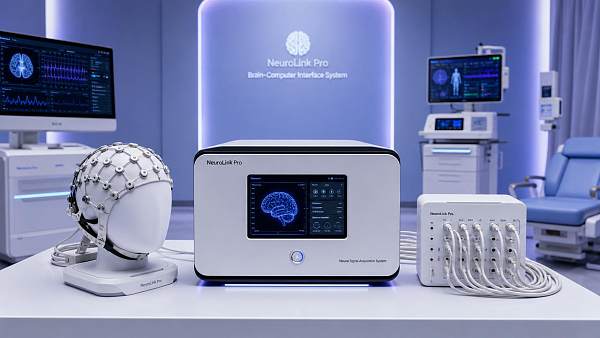
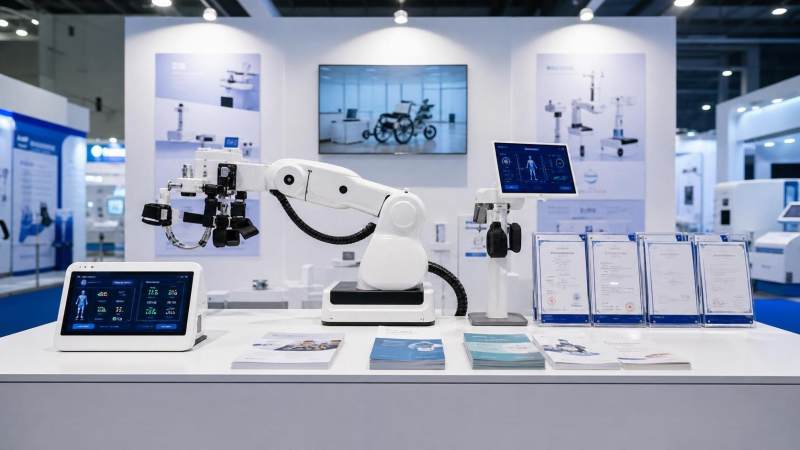
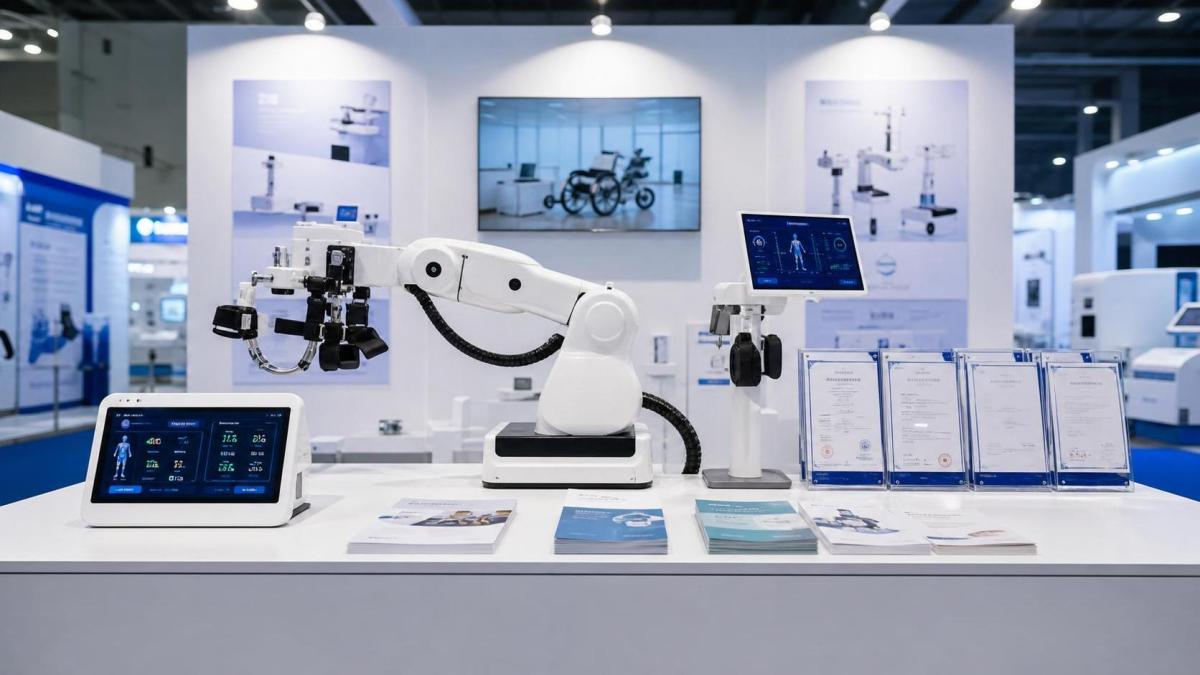
The 93rd CMEF concluded in Shanghai on April 12, 2026, after running from April 9 to 12. According to the provided event summary, the exhibition attracted more than 200,000 professional visitors from 150 countries. Within the event, the BCI Rehab Systems, Mild HBOT Systems, and 5G Tele-ICU Networks zones received frequent inquiries from importers from Europe and the United States, the Middle East, and Southeast Asia.
The organizer, Reed Sinopharm Exhibitions, also confirmed that the 2027 CMEF will add a dedicated Global Sourcing Hub. Based on the provided information, this area is intended to match overseas distributors with Chinese suppliers in intelligent rehabilitation and remote monitoring that have passed FDA 510(k), CE MDR, or MDR-related certification.
Why the sourcing signal matters across the chain
Export-oriented device suppliers face a sharper screening threshold
Analysis shows that Chinese manufacturers targeting overseas rehabilitation and remote monitoring demand may be affected first because the confirmed 2027 sourcing arrangement explicitly references certification-linked supplier matching. The practical impact is likely to fall on pre-sales qualification, technical file readiness, product claims alignment, and the ability to present certification evidence during distributor engagement rather than only during later-stage transaction discussions.
Distributors and import buyers may tighten shortlist criteria earlier
From an industry perspective, overseas distributors and procurement teams may treat certification status as an earlier sourcing filter when evaluating Chinese suppliers in these categories. That would mainly affect supplier onboarding, document review, product comparison, and procurement timing. What deserves closer attention is whether buyers increasingly request proof tied to FDA 510(k), CE MDR, or related MDR status before moving into pricing, sample review, or channel negotiation.
Testing, documentation, and compliance support functions become more visible
Observably, the event summary points to greater commercial visibility for certification-ready suppliers, which may also affect service providers involved in compliance preparation. For testing bodies, regulatory consultants, document teams, and after-sales support partners, the likely pressure point is not a new rule announced in legal text, but a market-facing preference for suppliers that can present clear technical documents, certification records, and traceable post-sale support arrangements during cross-border sourcing discussions.
What companies should watch before the 2027 sourcing cycle
Prepare certification evidence for commercial use, not only regulatory filing
Analysis shows that companies in intelligent rehabilitation and remote monitoring should pay attention to how certification materials are organized for distributor-facing use. The immediate issue is not just whether a product has completed a relevant process, but whether certificates, supporting technical materials, and product descriptions can be presented consistently in procurement and channel discussions without creating gaps between marketing language and compliance status.
Track how organizer language translates into actual matching criteria
What deserves closer attention is the future execution wording around the Global Sourcing Hub. The current information confirms the direction of certified supplier matching, but it does not provide detailed operating rules. Companies should therefore watch for later official statements on participation conditions, category definitions, document requirements, and how certification scope is checked in practice.
Review category-specific delivery and service commitments
For suppliers receiving overseas interest in BCI rehabilitation systems, mild HBOT systems, or 5G Tele-ICU networks, observably the next practical issue may be whether delivery capability, installation support, training materials, and after-sales traceability can support cross-border transactions. This is especially relevant where procurement decisions depend not only on product access status but also on service continuity and quality follow-up.
Align export documents with buyer qualification expectations
From an industry perspective, exporters and channel-facing teams should be alert to changes in document requests during supplier qualification. Even without further confirmed details, it is more appropriate to prepare for closer review of certificates, testing records, technical documentation, product specifications, and supplier qualification materials during buyer communication and tender-style evaluation.
A market signal first, a rule shift second
Analysis shows that this development is better understood at present as an execution signal from the market and exhibition platform rather than as a newly published regulation. The combination of concentrated overseas inquiries and a certification-centered sourcing zone suggests that trade matching in these device segments may increasingly be organized around recognized compliance credentials. At the same time, it remains too early to treat the 2027 arrangement as a fully defined operating framework because no detailed implementation standard was provided in the input.
Observably, this is the kind of update that can influence buyer behavior before it changes formal rules. That is why companies should continue watching how certification language appears in future event notices, sourcing criteria, distributor communications, and procurement documents linked to these categories.
How this update is best understood now
At this stage, the CMEF update points to a clearer connection between overseas demand and certification-based supplier selection in AI-related rehabilitation and remote monitoring segments. The confirmed facts do not prove a completed rule overhaul, but they do indicate a stronger compliance-oriented sourcing direction that could affect export preparation, buyer screening, and supplier presentation. It is more appropriate to understand this as a credible market and execution signal with potential trade and compliance implications, while reserving judgment on final impact until more detailed implementation information appears.
Basis of this article
This article is based on the user-provided news title, event date, and event summary. For this type of development, commonly relevant source categories may include organizer announcements, regulatory authority releases, trade or customs information, industry association updates, standard-setting documents, and reporting by established industry media. No specific official source link was provided in the input, so further verification remains necessary. What still needs continued observation includes any later implementation details, certification interpretation in practice, procurement document changes, market feedback, and how participating companies respond in execution.
Recommended News
 Sep 08, 2026When does EEG BCI rehabilitation improve motor recovery training?EEG BCI rehabilitation can enhance motor recovery when patient intent triggers meaningful feedback. Explore eligibility, workflow, outcomes, safety, and scalable clinical implementation.
 Sep 04, 2026How to evaluate smart healing recovery systems for rehab programsSmart healing recovery systems: learn how to evaluate clinical value, safety, integration, data reliability, and scalability for more effective rehab programs.
 Aug 31, 2026What clinical factors determine whether BCI rehabilitation systems fit a stroke program?BCI rehabilitation systems: explore the clinical factors that shape stroke program fit, from patient selection and signal reliability to safety, workflow, and functional goals.
 Jul 14, 2026Brain-Computer Interface Training: Key Factors That Shape Rehab ResultsBrain-computer interface training works best when signal quality, patient engagement, protocol design, feedback, and data tracking align. Discover the key factors that improve rehab results.
 Jul 11, 2026Brain-Computer Interface Technology in Rehab: What Works TodayBrain-computer interface technology in rehab: discover what works today for stroke recovery, neurofeedback, robotics, and measurable patient progress in real clinical settings.
 Jul 05, 2026EEG Brain Computer Interface: Key Signals That Define Rehab PerformanceEEG brain computer interface insights for rehab: discover which signals best predict motor intent, engagement, and recovery progress to compare systems with more confidence.
 Jun 30, 2026Neurorehabilitation Cost Breakdown: Therapy, Devices, and Long-Term ValueNeurorehabilitation cost explained: compare therapy, devices, software, and long-term value to avoid hidden expenses and make smarter rehab investment decisions.
 Jun 28, 2026Digital Neurorehabilitation: What Improves Outcomes at Home?Digital neurorehabilitation improves home recovery when guided exercises, smart monitoring, and clinician review work together. Learn what truly boosts outcomes and supports safer, more effective therapy at home.
 Jun 26, 2026Brain Computer Interface System: What to Evaluate FirstBrain computer interface system selection starts with signal quality, use-case fit, integration, compliance, and scalability—learn what to evaluate first for smarter healthcare decisions.
 Jun 24, 2026EEG BCI Rehabilitation: Best Use Cases for Motor RecoveryEEG BCI rehabilitation unlocks smarter motor recovery with top use cases in stroke care, early neurorehabilitation, robotic therapy, and hybrid home programs.
 Jun 19, 2026Fourier Enters Malaysia Rehab ProjectFourier Enters Malaysia Rehab Project as a national-level smart rehabilitation solution for PERKESO, signaling a new path for Chinese BCI rehab systems in sovereign procurement.
 Jun 18, 2026CMEF Spotlight Shifts to Certified AI Rehab SupplyCMEF Spotlight Shifts to Certified AI Rehab Supply: discover how FDA 510(k), CE MDR, and remote monitoring compliance are reshaping global sourcing, buyer screening, and export opportunities.
 Jun 13, 2026Brain-Computer Interface Wheelchair Control: Key Safety LimitsBrain-computer interface wheelchair control explained through key safety limits, signal reliability, fail-safe design, and validation priorities for safer clinical deployment.
 Jun 12, 2026Intelligent Rehabilitation Equipment: Which Features Improve Outcomes?Intelligent rehabilitation equipment improves outcomes with real-time tracking, adaptive support, safety controls, and actionable data. Discover which features deliver measurable recovery results.
 Jun 11, 2026NeuroXess Cuts BCI Rehab Lead Time to 8 WeeksNeuroXess cuts BCI Rehab lead time to 8 weeks as its Zhengzhou line enters mass production, backed by ISO 13485:2025 and IEC 62304 Class C—see why this matters for MDR transition orders.
 Jun 11, 2026Rehabilitation Robotics Cost Breakdown: What Drives Budget Up or Down?Rehabilitation robotics cost explained: discover the key drivers behind pricing, hidden ownership expenses, and smart ways to compare systems before approving your budget.
 May 28, 2026What makes brain-computer interfaces harder to scale across clinicsBrain-computer interfaces are harder to scale across clinics due to workflow, training, IT, reimbursement, and regulatory barriers. Discover what drives sustainable adoption.
 May 28, 2026Why brain-computer interfaces in rehab still face slow adoptionBrain-computer interfaces in rehab promise real gains, but slow adoption stems from workflow, validation, ROI, and compliance hurdles. Explore what buyers must verify before scaling.