Search News
Industry Portal
Popular Tags
Fourier Enters Malaysia Rehab Project
Author
Time
Click Count
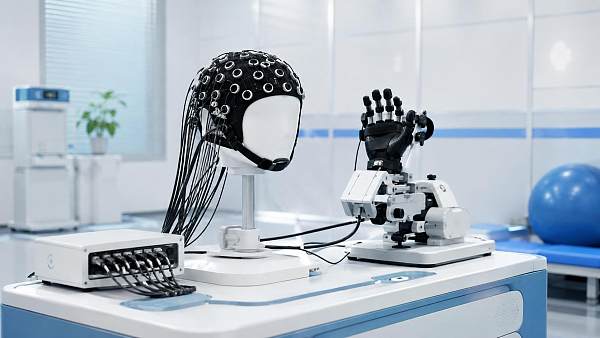
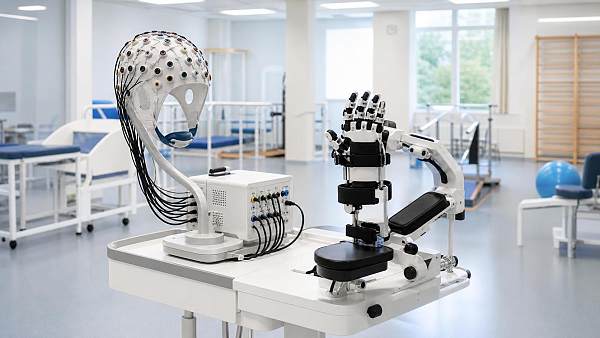
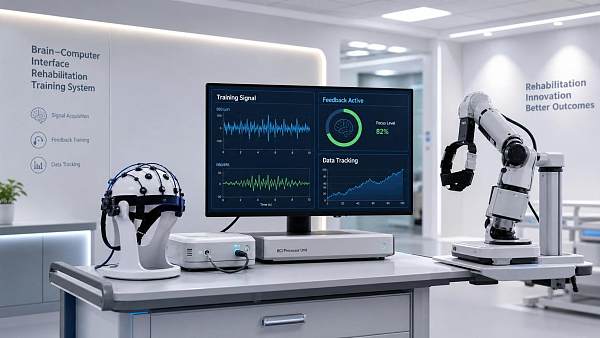
The timing of the event is not specified in the provided information, but the development is notable for rehabilitation technology suppliers, institutional buyers, clinical service operators, and cross-border delivery teams. Fourier, a Chinese embodied intelligence company, has completed delivery of a national-level smart rehabilitation solution to Malaysia’s social security organization, PERKESO, indicating that Chinese BCI rehab systems are beginning to enter sovereign procurement not only as standalone devices but as integrated clinical solutions.
What has been confirmed in this delivery
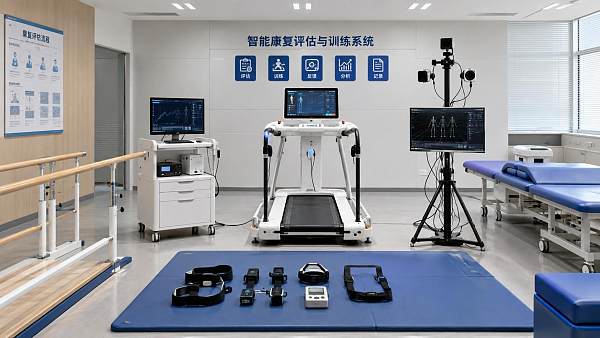
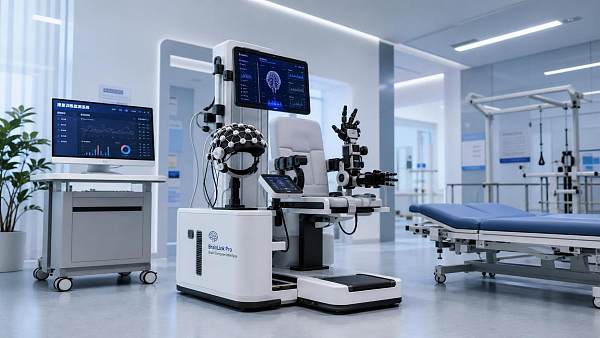
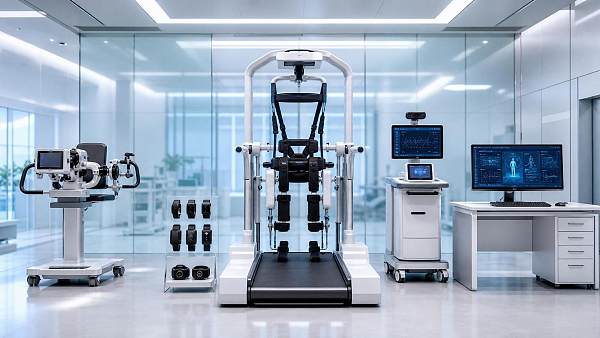
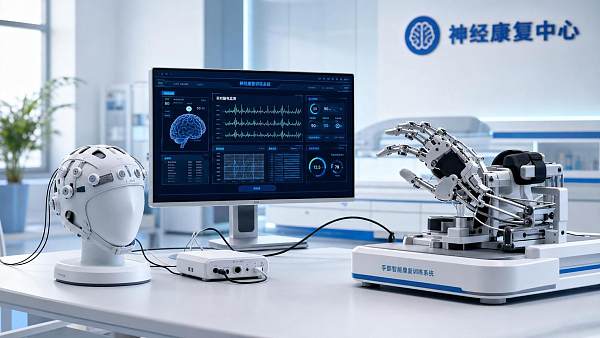
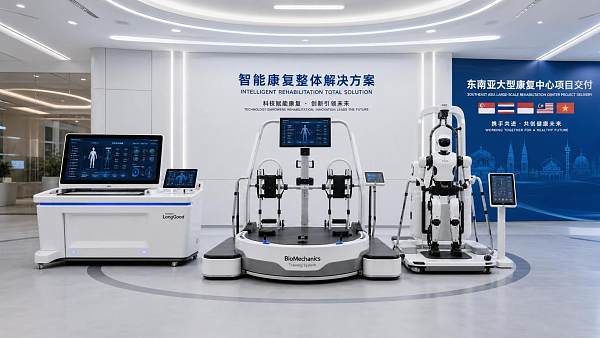
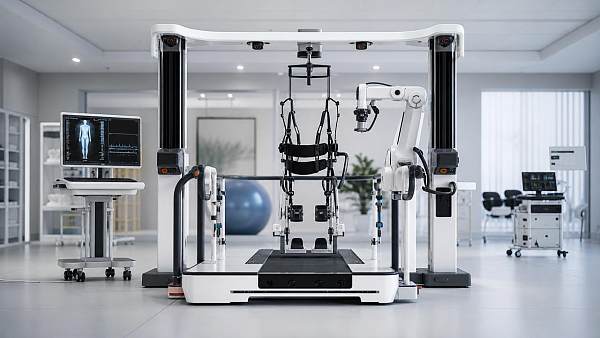
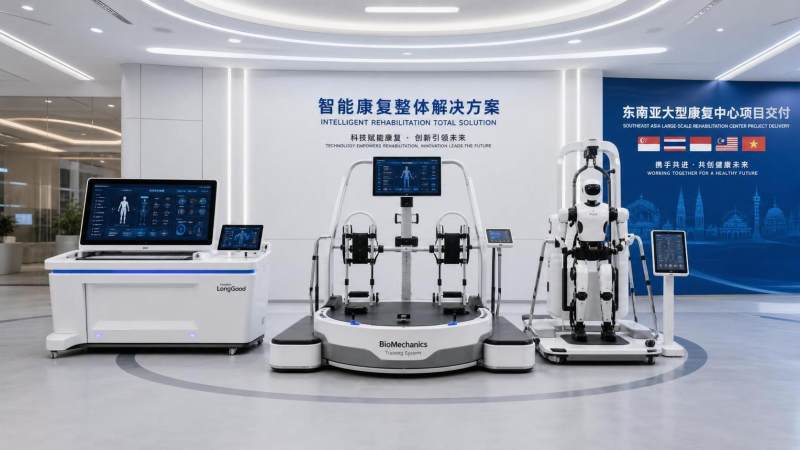
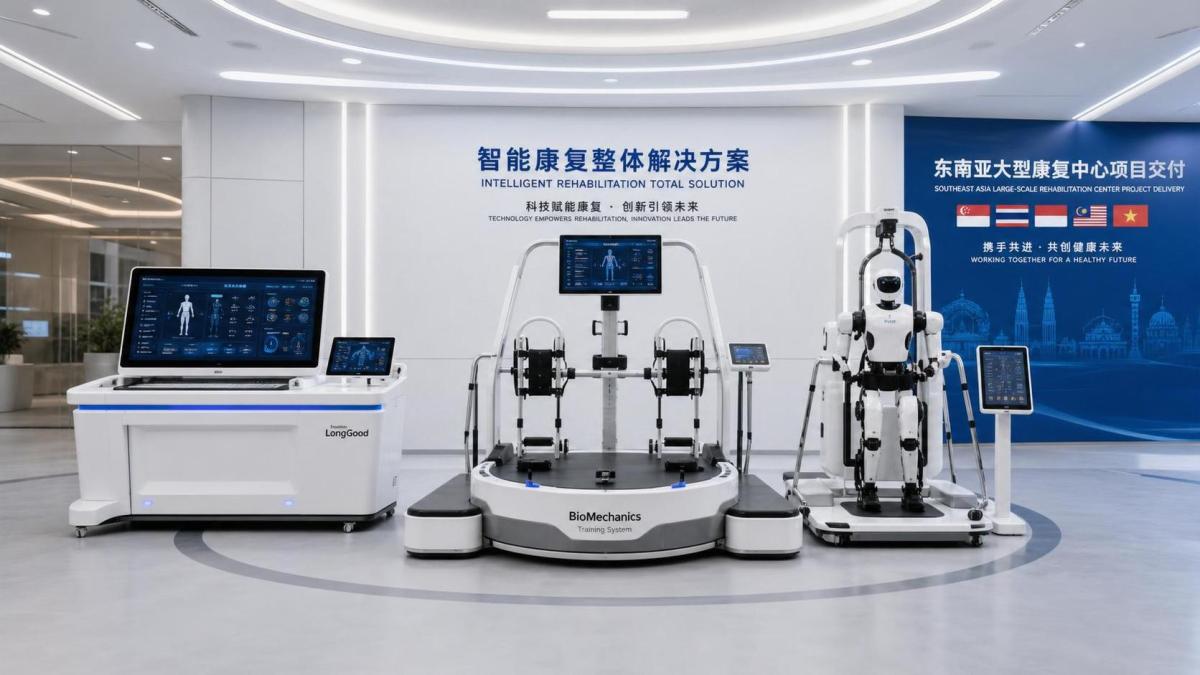
Based on the provided information, Fourier delivered a national-level intelligent rehabilitation solution to PERKESO in Malaysia. The delivered scope covers a biomechanics training platform, an intelligent rehabilitation hub, and clinical validation involving humanoid robots.
The order value is described as reaching the level of tens of millions of yuan. The information also states that this marks the first time a Chinese BCI rehab system has entered a sovereign procurement framework as a full clinical solution rather than as a single hardware product.
The same information indicates that the project breaks a long-standing pattern in which European and US brands have dominated the rehabilitation market in Southeast Asia.
Why this matters across the rehabilitation value chain
For institutional buyers, the procurement logic may be shifting
From an industry perspective, this development may matter to public-sector and quasi-public buyers because the delivered scope goes beyond equipment acquisition. What deserves closer attention is whether future tenders increasingly evaluate integrated clinical deployment, validation capability, and service coordination rather than comparing device specifications alone.
For system providers, solution packaging becomes a business issue
Analysis shows that companies supplying rehabilitation technology may need to think in terms of full-scenario delivery. The reported project includes training platforms, rehabilitation infrastructure, and clinical validation components, which suggests that commercial competition may increasingly center on how products are packaged into usable clinical systems.
For channel and delivery partners, execution risk becomes more visible
Observably, distributors, implementation partners, and service operators may be affected because sovereign-level projects usually test delivery coordination more directly than single-product sales. The key business impact is likely to fall on project execution, document preparation, handover standards, and communication between technology suppliers and local institutional users.
What companies should watch next
Follow official wording, not just market interpretation
Analysis shows that companies should pay close attention to how the project is described in subsequent official or corporate communications. The difference between a delivered project, a validated clinical model, and a repeatable procurement pathway is commercially significant and should not be treated as the same thing.
Prepare for solution-level tender requirements
What deserves closer attention is whether procurement discussions in similar markets begin to emphasize integrated rehabilitation capability. Suppliers may need to review whether their current offering can be presented as a clinical solution, including equipment combinations, service workflows, and validation support, rather than as isolated hardware.
Strengthen delivery and compliance materials
For companies targeting similar institutional customers, the practical focus may shift toward qualification files, delivery schedules, proof of capability, and cross-border coordination materials. Even where product performance is competitive, weak execution documentation can become a barrier in larger public or quasi-public projects.
Separate policy signal from immediate volume expectations
Observably, the reported order is meaningful, but companies should avoid reading a single project as proof of immediate broad-based market expansion. The more practical task is to assess which product categories, customer types, and market-entry steps can realistically be replicated.
How this development is best understood at this stage
Analysis shows that this news is better read as an important market signal than as a final industry conclusion. The confirmed facts point to a change in how a Chinese BCI rehab system can be positioned in overseas procurement, especially when the offering is framed as a complete clinical solution.
At the same time, continued observation is still necessary. It remains important to watch whether similar procurements appear, whether integrated solution models gain wider acceptance, and whether this project leads to a broader change in purchasing behavior across Southeast Asia.
A measured reading of the market signal
For the rehabilitation technology sector, the main significance of this development is not only the order itself but the form in which the order was delivered. It is more appropriate to understand this as a sign that solution-based international expansion by Chinese BCI rehab system providers is gaining practical recognition in at least one sovereign procurement setting.
That said, the industry should read the signal with discipline. The event suggests a potentially meaningful opening, but not yet a fully confirmed regional trend. The next phase to watch is whether this model proves repeatable across buyers, workflows, and delivery conditions.
Basis of this article and what still needs verification
This article is generated from the user-provided news title, event timing, and event summary. The specific official source link was not provided in the input, so further verification is still needed through materials such as official announcements, company statements, industry association information, authoritative media reporting, and relevant standard-setting or institutional documents where available.
For ongoing tracking, the most relevant points are whether further official disclosures clarify the project timeline, whether comparable procurement cases emerge, and whether integrated clinical rehabilitation solutions receive broader recognition in similar institutional markets.
Recommended News
 Sep 08, 2026When does EEG BCI rehabilitation improve motor recovery training?EEG BCI rehabilitation can enhance motor recovery when patient intent triggers meaningful feedback. Explore eligibility, workflow, outcomes, safety, and scalable clinical implementation.
 Sep 04, 2026How to evaluate smart healing recovery systems for rehab programsSmart healing recovery systems: learn how to evaluate clinical value, safety, integration, data reliability, and scalability for more effective rehab programs.
 Aug 31, 2026What clinical factors determine whether BCI rehabilitation systems fit a stroke program?BCI rehabilitation systems: explore the clinical factors that shape stroke program fit, from patient selection and signal reliability to safety, workflow, and functional goals.
 Jul 14, 2026Brain-Computer Interface Training: Key Factors That Shape Rehab ResultsBrain-computer interface training works best when signal quality, patient engagement, protocol design, feedback, and data tracking align. Discover the key factors that improve rehab results.
 Jul 11, 2026Brain-Computer Interface Technology in Rehab: What Works TodayBrain-computer interface technology in rehab: discover what works today for stroke recovery, neurofeedback, robotics, and measurable patient progress in real clinical settings.
 Jul 05, 2026EEG Brain Computer Interface: Key Signals That Define Rehab PerformanceEEG brain computer interface insights for rehab: discover which signals best predict motor intent, engagement, and recovery progress to compare systems with more confidence.
 Jun 30, 2026Neurorehabilitation Cost Breakdown: Therapy, Devices, and Long-Term ValueNeurorehabilitation cost explained: compare therapy, devices, software, and long-term value to avoid hidden expenses and make smarter rehab investment decisions.
 Jun 28, 2026Digital Neurorehabilitation: What Improves Outcomes at Home?Digital neurorehabilitation improves home recovery when guided exercises, smart monitoring, and clinician review work together. Learn what truly boosts outcomes and supports safer, more effective therapy at home.
 Jun 26, 2026Brain Computer Interface System: What to Evaluate FirstBrain computer interface system selection starts with signal quality, use-case fit, integration, compliance, and scalability—learn what to evaluate first for smarter healthcare decisions.
 Jun 24, 2026EEG BCI Rehabilitation: Best Use Cases for Motor RecoveryEEG BCI rehabilitation unlocks smarter motor recovery with top use cases in stroke care, early neurorehabilitation, robotic therapy, and hybrid home programs.
 Jun 19, 2026Fourier Enters Malaysia Rehab ProjectFourier Enters Malaysia Rehab Project as a national-level smart rehabilitation solution for PERKESO, signaling a new path for Chinese BCI rehab systems in sovereign procurement.
 Jun 18, 2026CMEF Spotlight Shifts to Certified AI Rehab SupplyCMEF Spotlight Shifts to Certified AI Rehab Supply: discover how FDA 510(k), CE MDR, and remote monitoring compliance are reshaping global sourcing, buyer screening, and export opportunities.
 Jun 13, 2026Brain-Computer Interface Wheelchair Control: Key Safety LimitsBrain-computer interface wheelchair control explained through key safety limits, signal reliability, fail-safe design, and validation priorities for safer clinical deployment.
 Jun 12, 2026Intelligent Rehabilitation Equipment: Which Features Improve Outcomes?Intelligent rehabilitation equipment improves outcomes with real-time tracking, adaptive support, safety controls, and actionable data. Discover which features deliver measurable recovery results.
 Jun 11, 2026NeuroXess Cuts BCI Rehab Lead Time to 8 WeeksNeuroXess cuts BCI Rehab lead time to 8 weeks as its Zhengzhou line enters mass production, backed by ISO 13485:2025 and IEC 62304 Class C—see why this matters for MDR transition orders.
 Jun 11, 2026Rehabilitation Robotics Cost Breakdown: What Drives Budget Up or Down?Rehabilitation robotics cost explained: discover the key drivers behind pricing, hidden ownership expenses, and smart ways to compare systems before approving your budget.
 May 28, 2026What makes brain-computer interfaces harder to scale across clinicsBrain-computer interfaces are harder to scale across clinics due to workflow, training, IT, reimbursement, and regulatory barriers. Discover what drives sustainable adoption.
 May 28, 2026Why brain-computer interfaces in rehab still face slow adoptionBrain-computer interfaces in rehab promise real gains, but slow adoption stems from workflow, validation, ROI, and compliance hurdles. Explore what buyers must verify before scaling.